Insert vs Full-Frame Window Replacement: A Deep Dive
A detailed comparison of insert and full-frame window replacement, when each method applies, the cost trade-offs, and how to choose for your home.
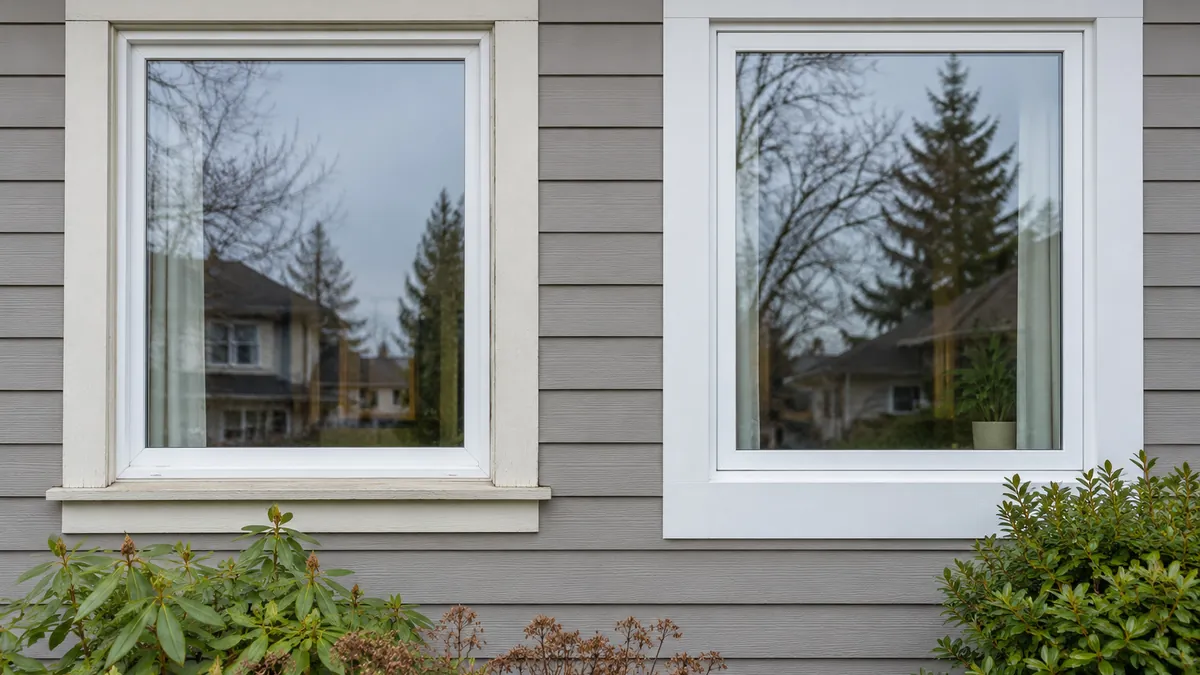
One of the most important decisions in a window replacement project is not which brand or glass package to choose, but how the new window goes into the opening. Insert replacement and full-frame replacement are two different methods with different costs, disruption levels, and long-term results.
This guide explains both methods in detail, when each is appropriate, what each includes, and how to choose. It is written for Canadian homeowners comparing quotes and trying to understand why two estimates for the same windows can differ so much.
What Is Insert Replacement?
Insert replacement, sometimes called pocket installation, fits a new window unit into the existing frame. The old sashes and operating hardware are removed, but the exterior and interior frame, trim, and often the sill stay in place. The new window is a smaller unit that slides into the existing opening.
What is usually included:
- Removal of the old sashes and hardware.
- Cleaning and preparation of the existing frame.
- Installation of the new window unit into the existing frame.
- New interior and exterior stops or trim pieces as needed.
- Insulation and sealing around the new unit within the frame.
- Hardware, locks, and weatherstripping on the new unit.
What usually stays:
- The original frame, sill, and header.
- Interior trim and casing.
- Exterior trim, siding, and flashing around the frame.
Insert replacement is faster, less invasive, and usually less expensive. It works best when the existing frame is sound, square, level, and free of rot.
What Is Full-Frame Replacement?
Full-frame replacement removes the entire existing window assembly, including the frame, sill, and often surrounding interior and exterior trim. A new frame is installed into the rough opening, with new flashing, insulation, and finishing.
What is usually included:
- Removal of the old window, frame, sash, and trim.
- Inspection and repair of the rough opening as needed.
- Installation of a new frame, window unit, and hardware.
- New flashing and weather barrier integration.
- Insulation and air sealing between the new frame and the rough opening.
- New interior and exterior trim and finishing.
- Disposal of the old materials.
What changes:
- The frame is new.
- The rough opening is exposed and can be corrected if out of square.
- Flashing and insulation are renewed.
- More of the surrounding wall, trim, and possibly siding or drywall is touched.
Full-frame replacement costs more and takes longer, but it addresses problems hidden by the old frame and allows correction of the opening.
Key Differences at a Glance
| Factor | Insert replacement | Full-frame replacement |
|---|---|---|
| Existing frame | Stays in place | Removed |
| Rough opening | Not exposed | Exposed and can be corrected |
| Flashing | Mostly original | Renewed |
| Insulation around frame | Limited | Full |
| Interior trim | Usually preserved | Usually replaced |
| Exterior trim and siding | Mostly preserved | Often touched or replaced |
| Disruption | Lower | Higher |
| Cost | Lower | Higher |
| Best when | Frame is sound and square | Frame is damaged, rotted, or out of square |
When Insert Replacement Makes Sense
Insert replacement is the right choice when:
- The existing frame is solid, square, level, and plumb.
- There is no rot, water damage, or movement in the frame.
- The flashing and exterior seal around the frame are sound.
- You want to preserve interior woodwork, plaster, or finishes.
- You want to minimize disruption and cost.
- The window size and style will stay the same.
The existing frame must be able to support the new unit and hold it in correct alignment. If the frame is out of square, an insert will not fix that, and the new window may not operate or seal properly.
When Full-Frame Replacement Makes Sense
Full-frame replacement is the better choice when:
- The frame is rotted, cracked, or soft.
- The frame is out of square, level, or plumb.
- Water has entered around the frame and damaged the wall.
- The flashing is failed or missing.
- You want to change the window size, style, or operation.
- The existing frame is an older metal or wood system that cannot accept a modern insert.
- You want to improve insulation and air sealing around the entire opening.
- Several windows are being replaced and you want a consistent, long-term solution.
Full-frame replacement is more invasive, but it is the only way to address problems in the frame and opening itself.
Cost Differences
For broader budget ranges and factors beyond the installation method, see window replacement costs in Canada.
Insert replacement is usually the lower-cost option because:
- Less labour is required.
- Less material is needed.
- Less disruption to trim, siding, and interior finishes.
- Faster installation, often one window per day or faster.
Full-frame replacement costs more because:
- More labour is required for removal and installation.
- New frame, flashing, insulation, and trim are included.
- More of the surrounding wall is touched.
- Disposal of more material.
- Longer installation time.
The exact difference depends on the window, the condition of the opening, and local labour rates. A full-frame job can cost substantially more per window than an insert.
What Each Quote Should Include
For an insert quote, confirm:
- Whether the existing frame will be inspected before installation.
- What happens if the frame is found to be unsound after removal of the sash.
- Whether trim and stops will be replaced or reused.
- How the new unit will be sealed and insulated within the frame.
For a full-frame quote, confirm:
- Whether the rough opening repair is included or extra.
- Whether interior and exterior trim are included and finished.
- Whether siding, stucco, or exterior finishing is included.
- How disposal is handled.
- Whether drywall or plaster repair is included.
If one quote is insert and another is full-frame, they are not comparable. Ask which method applies and why.
Disruption and Timeline
Insert replacement is less disruptive:
- The opening is exposed for a shorter time.
- Interior and exterior finishes are largely preserved.
- The home stays more weather-tight during the work.
- Cleanup is simpler.
Full-frame replacement is more disruptive:
- The rough opening is exposed, sometimes overnight.
- Interior trim and possibly drywall are removed and replaced.
- Exterior trim and siding may be removed and reinstalled.
- More dust, debris, and noise.
- The home may need temporary weather protection at each opening.
If you are living in the home during the work, insert replacement is usually easier to manage.
Energy Performance Considerations
Full-frame replacement generally delivers better long-term energy performance because:
- The gap between frame and rough opening can be fully insulated and air-sealed.
- Flashing is renewed, reducing water and air intrusion.
- The new frame itself may have better thermal performance than the old one.
Insert replacement can still improve performance, especially if the old window was single-pane or leaky. But the frame-to-opening joint remains as it was, so any air leakage or thermal bridging at that joint is not addressed.
If energy performance is a priority and the frame is sound, insert replacement with a high-performance unit can still be effective. If the frame is leaky or poorly insulated, full-frame replacement is the better investment.
Canadian Climate Factors
Canadian conditions affect the choice:
- Freeze-thaw cycles move frames and can open gaps at the frame-to-wall joint. Full-frame replacement renews the seal at that joint.
- Wind-driven rain tests flashing. Full-frame replacement installs new flashing integrated with the weather barrier.
- Cold winters make air sealing around the frame important. Full-frame replacement allows full insulation of the gap.
- Older Canadian homes often have frames that have settled or moved. Full-frame replacement can correct the opening.
In mild regions with sound frames, insert replacement is often sufficient. In colder regions or older homes, full-frame replacement is more commonly justified.
Mixed Approach
You do not have to use one method for every window. A sensible strategy is:
- Insert replacement for windows in sound frames where you want to minimize cost and disruption.
- Full-frame replacement for windows with damaged frames, water entry, or out-of-square openings.
- Full-frame replacement for priority rooms where comfort and performance matter most.
Ask the contractor to assess each opening individually and recommend the method for each.
Questions to Ask Your Contractor
- Are you quoting insert or full-frame for each window?
- What is the condition of each frame?
- Will the rough opening be exposed and inspected?
- Is trim included, interior and exterior?
- Is flashing renewed?
- Is insulation of the gap included?
- How is disposal handled?
- What warranty applies to the installation method?
Frequently Asked Questions
Can I switch from insert to full-frame after the quote?
Yes, but the price and timeline will change. Ask the contractor to quote both so you can compare before deciding.
Is full-frame always better?
Not always. If the frame is sound, insert replacement is faster, cheaper, and preserves finishes. Full-frame is better when the frame or opening has problems.
Does insert replacement improve energy efficiency?
It can, especially if you are replacing old single-pane or leaky windows with modern double or triple glazing. But it does not address the frame-to-wall joint.
Will full-frame replacement damage my interior finishes?
It can. Trim, and sometimes drywall or plaster, is removed and replaced. Ask what finishing is included in the quote.
How do I know if my frame is sound?
Check for soft wood, cracks, water stains, and movement. A contractor can inspect during the quote visit.
Can I mix insert and full-frame in the same project?
Yes. Use each method where it is appropriate for the individual opening.
Method Cost Expectations
The choice between insert and full-frame is one of the biggest cost drivers in a window project. Treat any figure you see online as a planning range rather than a quote.
As a general planning guide:
- Insert replacement: usually the lower-cost option per window, because less labour and material are required.
- Full-frame replacement: a higher cost per window, because it includes a new frame, flashing, insulation, trim, and disposal.
- Mixed approach: using insert where frames are sound and full-frame where they are not can balance cost and long-term performance.
- Whole-home project: often a lower per-window price because setup and access are shared.
Ask the contractor to assess each opening individually and quote the method that fits. A quote that uses one method for every window without inspecting the frames may be over- or under-scoped.
Working With Your Contractor on Method
A good contractor will:
- Inspect each frame for rot, squareness, and level before recommending insert or full-frame.
- Explain why insert or full-frame is appropriate for each opening.
- Confirm whether trim and flashing are included for each method.
- Disclose what happens if hidden damage is found once a frame is exposed.
- Provide a written quote that states the method for each window.
If a contractor recommends full-frame for every window without inspecting the frames, or insert for every window despite visible rot, get a second opinion.
Next Steps
Choosing between insert and full-frame replacement depends on the condition of each opening, your budget, and your priorities. Windoorly can assess your windows, explain which method fits each opening, and provide an itemized quote.