How to Measure Windows for Replacement Quotes
How to measure windows accurately for quotes, the difference between rough opening and unit size, and what photos to take before calling a contractor.
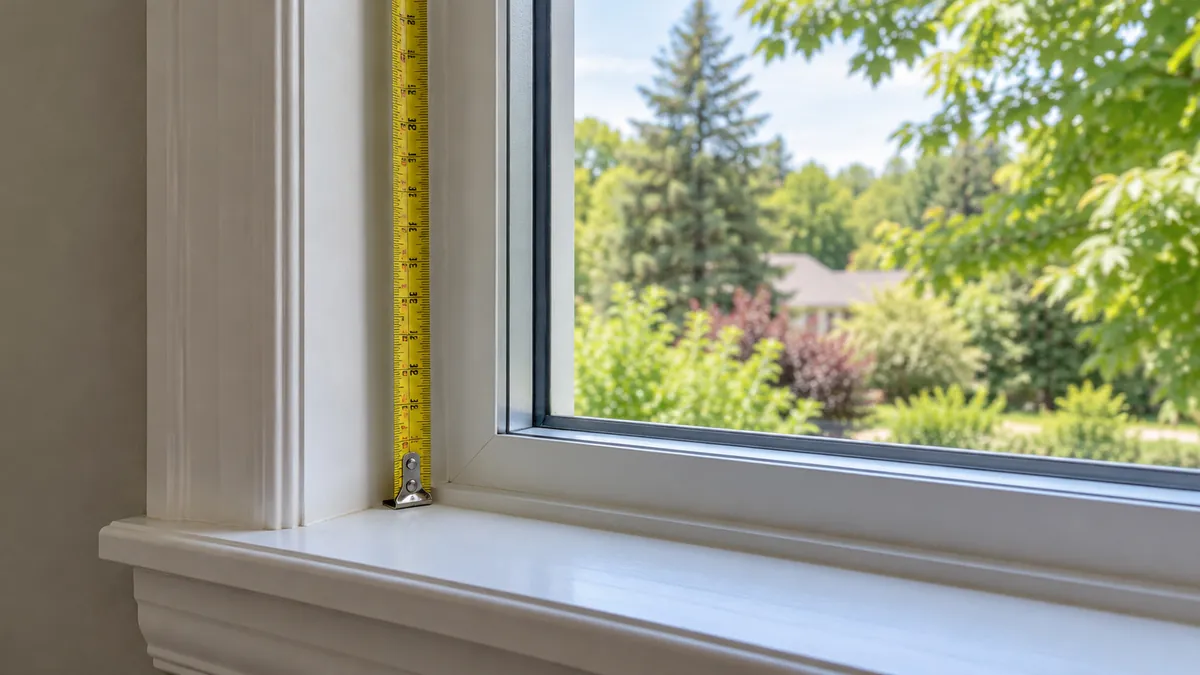
Accurate measurements are the foundation of a good window quote. A contractor needs to know the size of each opening, the type of window, and how it installs before pricing the work. Your measurements do not replace the contractor's on-site measurement, but they make the first conversation faster and more accurate.
This guide explains how to measure windows for replacement quotes, the difference between rough opening and unit size, what tools you need, and what photos to take. It is written for Canadian homeowners preparing to request estimates.
Tools You Need
- A steel tape measure, at least 5 metres long.
- A step ladder, if you need to reach upper windows.
- A notebook or phone for recording numbers.
- A helper, especially for large windows.
- A camera or phone for photos.
Measure in millimetres for precision, or record both metric and imperial if you prefer. Consistency matters more than the unit.
Rough Opening vs Unit Size
Measurements depend on the proposed installation method. Compare insert and full-frame replacement before assuming the existing frame will stay.
These are not the same, and confusing them is a common source of ordering errors:
- Rough opening: The opening in the wall framing before the window is installed. It is usually slightly larger than the window unit to allow for shimming, levelling, and insulation.
- Unit size: The actual size of the window frame that fits into the opening. It is smaller than the rough opening.
When you measure for a quote, you are usually measuring the existing opening so the contractor can determine what unit will fit and whether it is an insert or full-frame replacement. Tell the contractor which measurement you are providing so there is no confusion.
Measuring Width
Measure the width of the opening at three points: top, middle, and bottom. Record the smallest measurement.
For an existing window:
- Measure from inside jamb to inside jamb, across the opening where the window sits.
- Measure at the top, middle, and bottom of the frame.
- Use the smallest number as the width.
For a new opening or rough opening:
- Measure from stud to stud, across the framed opening.
- Again, take three measurements and use the smallest.
Write down each measurement separately, not just the smallest, so the contractor can see if the opening is out of square.
Measuring Height
Measure the height of the opening at three points: left, centre, and right. Record the smallest measurement.
- Measure from the top of the opening to the sill or stool.
- Take measurements at the left side, centre, and right side.
- Use the smallest number as the height.
For basement windows or windows with a sill that slopes, measure to the highest point of the sill where the window will seat.
Measuring Depth
Measure the depth of the window opening, which matters for insert replacement:
- Measure from the interior stop to the exterior stop, or from the interior trim to the exterior sheathing.
- Note the wall thickness and whether there are layers such as furring strips, insulation, or old liners.
- Record any obstructions, such as blinds, handles, or locks that sit in the opening.
Depth determines whether a replacement unit will fit inside the existing frame or whether full-frame work is needed.
Measuring Different Window Types
Slider Windows
Measure the overall width and height of the opening. Note which panel operates and which is fixed. Measure the track depth if you are keeping the existing frame.
Casement and Awning Windows
Measure the full opening. Note the hinge side (left or right for casement, top or bottom for awning) and the crank location. These details affect how the new unit operates and installs.
Double-Hung and Single-Hung Windows
Measure width and height as described. Note whether both sashes operate (double-hung) or only the bottom (single-hung). Check whether the sashes tilt for cleaning.
Fixed or Picture Windows
Measure the full opening. Note whether the window is surrounded by operable units, which affects trim and finishing.
Bay and Bow Windows
These are assemblies of multiple sections. Measure each section separately and record the angles between them. Bay and bow replacements usually require a site visit because of the complexity.
Recording Your Measurements
Use a simple table like this:
| Window | Room | Width (mm) | Height (mm) | Type | Notes |
|---|---|---|---|---|---|
| 1 | Living room | 1200 | 1400 | Double-hung vinyl | Drafty, foggy lower pane |
| 2 | Kitchen | 900 | 1200 | Slider | Sticks on right side |
| 3 | Bedroom | 1000 | 1500 | Casement | Cranks left |
Record both the individual measurements and the smallest width and height. Note any unusual conditions: rot, water stains, odd angles, or obstructions.
Photos to Take
Photos help the contractor understand the scope before visiting:
- The full window from inside, showing the frame and trim.
- The full window from outside, taken safely from the ground or inside.
- The frame corners and sill, inside and out.
- Any damage: fogging, cracks, rot, water stains.
- The hardware: locks, handles, cranks, tracks.
- The surrounding wall and floor for signs of water.
- A tape measure held across the width and height, if safe to do so.
- Any obstructions nearby: furniture, decks, landscaping, or exterior features.
Take photos in daylight and include one wide shot per window so close-ups make sense.
What to Tell the Contractor
Along with your measurements and photos, provide:
- The window type for each opening.
- Whether you want insert or full-frame replacement, or if you want the contractor to recommend.
- Your glass preferences: double or triple, Low-E, argon.
- Frame material preference: vinyl, wood, fibreglass, aluminum.
- Any problems: drafts, condensation, sticking, leaks, noise.
- Whether any windows are needed for emergency escape.
- Your timeline and budget range.
Common Measuring Mistakes
- Measuring only once instead of at three points, missing an out-of-square opening.
- Confusing rough opening with unit size.
- Measuring the old window unit instead of the opening.
- Ignoring depth, which matters for insert fit.
- Forgetting to note which side operates or which way a casement hinges.
- Not photographing damage or obstructions.
- Assuming all windows in a room are the same size. Measure each one.
When the Contractor Measures
Your measurements are for the initial quote. The contractor should still measure every opening on site before ordering. This is standard practice and protects both you and the contractor. Do not order windows based solely on homeowner measurements unless the contractor explicitly agrees to that approach.
Frequently Asked Questions
Should I measure from inside or outside?
Measure the opening from inside where accessible. If you cannot reach the outside safely, the contractor will measure it during the site visit.
What if my windows are different sizes?
Measure and record each one individually. Do not assume they match even if they look the same.
Do I need to remove the window to measure?
No. Measure the opening with the window in place. Removing it is unnecessary and can cause damage.
What if the opening is out of square?
Record the different measurements. The contractor will determine whether the frame needs correction or whether a custom unit is needed.
Can I use these measurements to order windows myself?
It is not recommended. Ordering based on homeowner measurements without a site visit risks getting the wrong size. Let the contractor measure and order.
Should I measure in millimetres or inches?
Use whichever you are comfortable with, but be consistent and tell the contractor which unit you used.
Measurement Cost Expectations
Measuring your own windows is free, and it makes the first contractor conversation faster and more accurate. However, your measurements are for the initial quote only; the contractor should still measure every opening on site before ordering.
As a general planning guide:
- DIY measuring: free, and helps you describe each window accurately.
- Contractor site measurement: usually included in the quote or estimate, and protects both you and the contractor.
- Custom or odd-size windows: may require a more detailed site visit and cost more to order.
- Bay or bow windows: usually require a professional site visit because of the multiple sections and angles.
Do not order windows based solely on homeowner measurements unless the contractor explicitly agrees to that approach. Ordering the wrong size is costly and delays the project.
Working With Your Contractor on Measurements
A good contractor will:
- Measure every opening on site before ordering, not rely on your numbers alone.
- Confirm whether you are providing rough opening or unit size.
- Note the window type, operating side, and any obstructions.
- Recommend insert or full-frame based on the condition of each frame.
- Provide an itemized quote based on the actual openings.
If a contractor quotes without measuring your openings, get another quote. Accurate measurements are the foundation of a correct price.
Measurement Quick Reference
- Measure width at top, middle, and bottom; use the smallest.
- Measure height at left, centre, and right; use the smallest.
- Record each measurement, not just the smallest, to check for squareness.
- Measure depth for insert replacement.
- Know the difference between rough opening and unit size.
- Take photos of each window inside and outside, plus damage and hardware.
- Tell the contractor which unit you used: millimetres or inches.
- Let the contractor measure on site before ordering.
Should I measure in millimetres or inches?
Use whichever you are comfortable with, but be consistent and tell the contractor which unit you used.
Can I use these measurements to order windows myself?
It is not recommended. Ordering based on homeowner measurements without a site visit risks getting the wrong size. Let the contractor measure and order.
Should I measure in millimetres or inches?
Use whichever you are comfortable with, but be consistent and tell the contractor which unit you used.
Can I use these measurements to order windows myself?
It is not recommended. Ordering based on homeowner measurements without a site visit risks getting the wrong size. Let the contractor measure and order.
What if the opening is out of square?
Record the different measurements. The contractor will determine whether the frame needs correction or whether a custom unit is needed.
Next Steps
Good measurements and photos make your first contractor conversation more productive. Windoorly can review your measurements, schedule a site visit, and provide an itemized quote based on the actual openings.