Permits for Window and Door Replacement in Canada
When window and door replacement requires a permit in Canada, who is responsible, and how municipal rules vary by project type and location.
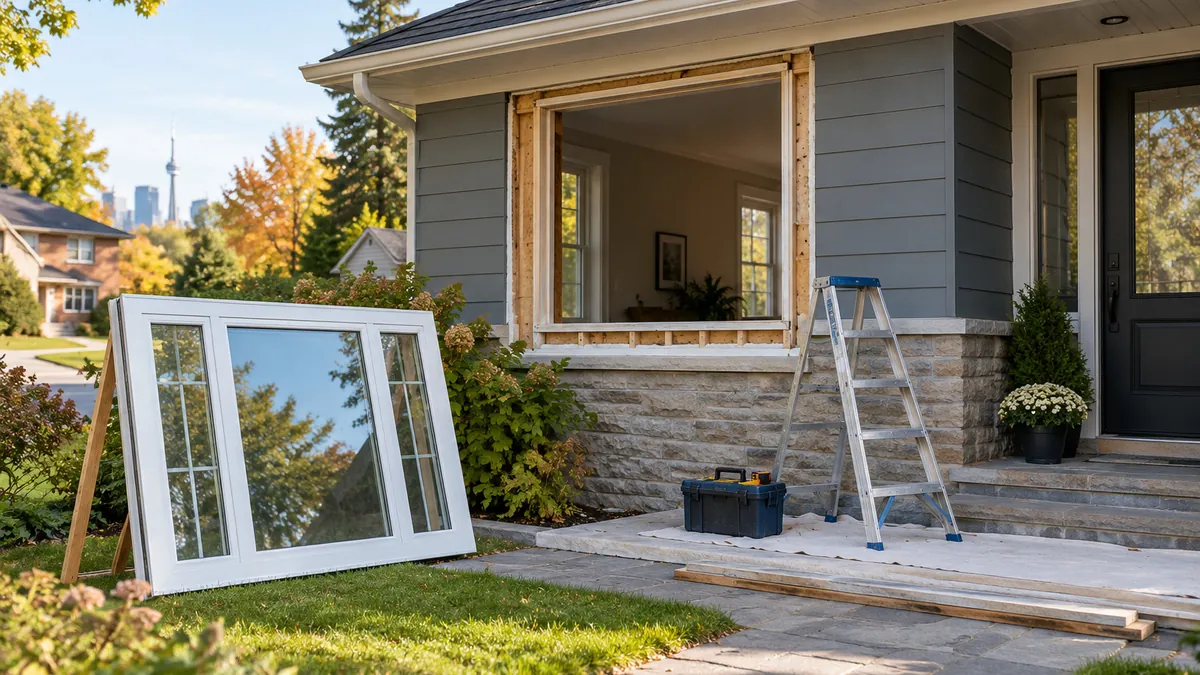
Not every window or door replacement needs a permit, but some do. Whether you need one depends on your municipality, the type of work, and whether you are changing the opening, the structure, or just swapping like for like.
This guide explains when permits are typically required, who is responsible for obtaining them, how rules vary across Canada, and what happens if you skip one. It is written for homeowners planning a replacement project and wanting to stay on the right side of local bylaws.
When a Permit Is Usually Not Required
In many Canadian municipalities, a like-for-like replacement does not require a building permit. This means:
- You are replacing a window or door with one of the same size and type.
- The opening is not being enlarged, reduced, or moved.
- No structural framing is being altered.
- No new opening is being created.
- You are not changing the use of the space or adding egress where none existed.
Even when a permit is not required, the work should still meet building code standards for energy performance, safety, and installation. A permit-free project is not a code-free project.
When a Permit Is Usually Required
A permit is more likely when:
- You are changing the size of the opening, making it larger or smaller.
- You are creating a new window or door opening in an exterior wall.
- You are converting a window to a door, or a door to a window.
- You are changing the type of operation, such as from a fixed window to an operable one.
- Structural members, such as headers or studs, are being cut or added.
- You are adding egress to a bedroom or basement, which affects safety requirements.
- You are altering the exterior envelope in a way that affects insulation, air barrier, or vapour barrier.
- You are working in a heritage district or designated area, where exterior changes may be restricted.
Rules vary widely. What is permit-free in one city may require a permit in the next town.
Who Is Responsible for the Permit
Responsibility depends on the arrangement:
- If you hire a contractor: The contractor usually obtains the permit, but confirm this in writing before signing. The permit should list the contractor as the applicant or the homeowner as the owner-builder.
- If you are doing the work yourself: You are responsible for applying for and obtaining the permit.
- If you are the homeowner but the contractor applies: You are still the owner of record and ultimately responsible for compliance.
Do not assume the contractor has pulled a permit just because they said they would. Ask for the permit number and verify it with your municipality before work begins.
Municipal Variation Across Canada
Each municipality sets its own bylaws, and practices differ:
- Large cities such as Toronto, Vancouver, Montreal, and Calgary often have detailed online permit portals and clear requirements for window and door work.
- Smaller towns and rural areas may have simpler processes or fewer inspectors, but the building code still applies.
- Heritage districts often require approval for exterior changes, even if a building permit is not needed.
- Condominiums and strata properties may require board approval in addition to any municipal permit.
Contact your local building department or check its website before starting. A phone call can save you from an order to stop work or undo completed work.
The Permit Process
A typical permit process includes:
- Application: Submit plans or details showing the proposed work, including window or door sizes, types, and locations.
- Review: The building department reviews for code compliance, including energy efficiency, structural, and safety requirements.
- Issuance: The permit is issued, often with conditions and required inspections.
- Inspections: An inspector may visit at key stages, such as before the unit is closed up or after completion.
- Final sign-off: The permit is closed when the work passes final inspection.
Some municipalities allow online applications for simple replacements. Others require in-person submission.
What Happens If You Skip the Permit
Working without a required permit can lead to:
- A stop-work order from the municipality.
- Fines or penalties.
- The need to open finished walls or remove installed units for inspection.
- Difficulty selling the home later, because unpermitted work may show up on a title search or home inspection.
- Insurance complications if a claim involves the unpermitted work.
- Problems with future permits on the same property.
It is usually cheaper and faster to get the permit upfront than to deal with enforcement later.
Energy Efficiency Requirements
Many Canadian municipalities now require new windows and doors to meet minimum energy performance standards, even when a permit is not required. These may include:
- Minimum U-factor or ER rating.
- Required glazing type, such as double or triple glazing.
- Air leakage limits.
- Installation standards for flashing and sealing.
Ask your contractor whether the products you are choosing meet local energy requirements. A window that qualifies in one municipality may not in another.
Egress and Safety Considerations
If you are adding or changing a window in a bedroom or basement, egress rules may apply. These rules specify minimum opening size, height above the floor, and accessibility for emergency escape. Changing a small basement window to a larger one for egress often requires a permit because it affects structural framing and safety.
Condos and Strata Properties
If you live in a condominium or strata corporation, you may need board approval before replacing windows or doors, even if the municipality does not require a permit. The strata bylaws may:
- Restrict exterior appearance, including window colour and style.
- Require the use of approved contractors.
- Require notification or a permit from the corporation.
- Regulate work hours and access to common areas.
Check your strata documents and speak with the property manager before scheduling work. Ignoring strata rules can lead to fines or orders to remove the new windows.
Working With Your Contractor
Make the permit responsibilities clear when comparing window and door quotes, including who applies and whether fees are included.
Ask these questions before the contract is signed:
- Will you obtain the permit, or should I?
- What is the permit fee, and is it included in the quote?
- Which inspections are required, and who schedules them?
- What happens if an inspector requires changes?
- Will the final permit be closed out and signed off?
A reputable contractor will welcome these questions and put the answers in writing.
Permit Fees and Timing
Permit fees vary by municipality and by the scope of work. A simple replacement may cost a modest fee, while structural changes or new openings cost more. Fees are usually paid when the application is submitted.
Timing also varies. Some municipalities issue permits over the counter for simple jobs. Others take days or weeks for review. Factor the permit timeline into your project schedule, especially if you are ordering custom windows with long lead times.
Inspections: What to Expect
If inspections are required, an inspector may check:
- That the window or door is installed per the approved plans.
- That flashing and weather barrier integration are correct.
- That egress requirements are met, where applicable.
- That the work is complete and weather-tight.
Be present for inspections if possible, or arrange for your contractor to attend. Failed inspections mean corrections before the permit can be closed.
Frequently Asked Questions
Do I need a permit to replace a window with the same size?
Usually no, but confirm with your municipality. Local bylaws vary.
Can my contractor pull the permit for me?
Yes, most contractors will, but confirm in writing and get the permit number.
What if I already replaced the windows without a permit?
Contact your building department. They may be able to issue a retroactive permit or advise on next steps.
Do I need a permit for a patio door?
If it is the same size and location as the existing door, usually no. If you are changing the size or creating a new opening, likely yes.
Do condos need permits for door replacement?
The building corporation may have its own rules, and municipal permits may still apply. Check both.
Will my insurance cover unpermitted work?
Possibly not, especially if the unpermitted work contributes to a claim. Confirm with your insurer.
How long does a permit take?
Simple replacements may be issued quickly, while structural changes can take weeks. Ask your local building department for current timelines.
Permit Cost Expectations
Permit fees vary by municipality and by the scope of work. Treat any figure you see online as a planning range rather than a quote.
As a general planning guide:
- Simple like-for-like replacement permit: often a modest fee, if one is required at all.
- Structural change or new opening permit: a higher fee, because it involves plan review and inspections.
- Contractor permit handling: sometimes included in the quote, sometimes billed separately.
- Inspection fees: may be bundled with the permit or charged per visit.
- Re-inspection fees: can apply if the work does not pass on the first visit.
- Retroactive permit: can cost more than getting the permit upfront, plus any required corrections.
Ask whether the permit fee is included in the quote and who is responsible for obtaining it. Confirm the permit number with your municipality before work begins.
Working With Your Contractor on Permits
A good contractor will:
- Confirm whether your project needs a permit and who obtains it.
- Provide the permit number and verify it with the municipality.
- Schedule any required inspections.
- Explain what happens if an inspector requires changes.
- Close out the permit with a final sign-off when the work is complete.
If a contractor says permits are not needed but cannot point to the bylaw, or refuses to put permit responsibility in writing, get another quote.
Permit Quick Reference
- Like-for-like replacement often does not need a permit; confirm locally.
- Changing the opening size, creating a new opening, or adding egress usually does.
- Confirm who obtains the permit and get the permit number before work starts.
- Check condo or strata bylaws in addition to municipal rules.
- Ask about permit fees and whether they are included in the quote.
- Expect inspections at key stages and a final sign-off.
- Unpermitted work can lead to stop-work orders, fines, and resale issues.
Do I need a permit to replace a window with the same size?
Usually no, but confirm with your municipality. Local bylaws vary.
Can my contractor pull the permit for me?
Yes, most contractors will, but confirm in writing and get the permit number.
Do I need a permit to replace a window with the same size?
Usually no, but confirm with your municipality. Local bylaws vary.
Can my contractor pull the permit for me?
Yes, most contractors will, but confirm in writing and get the permit number.
Do I need a permit to replace a window with the same size?
Usually no, but confirm with your municipality. Local bylaws vary.
Can my contractor pull the permit for me?
Yes, most contractors will, but confirm in writing and get the permit number.
Next Steps
Permit rules vary by municipality, so start with your local building department. Windoorly can help you determine whether your window or door project needs a permit and can manage the application process as part of the installation.